 Reviews



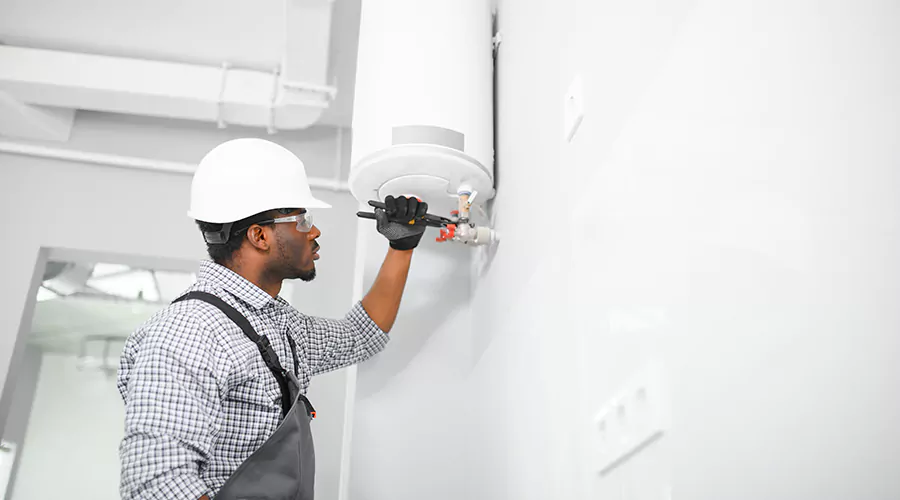
The most common water heater problems include insufficient hot water and unusual operating noises. Leaks and temperature-control failures are also frequent concerns. Other symptoms include discolored water or repeated relief-valve discharge. Professional water heater repair averages $616 in the United States in 2026. The likely cause depends on the heater's design. An electric storage heater may develop a heating-element problem. A gas heater can experience ignition or gas-control issues. Tankless systems introduce additional possibilities involving flow sensors and mineral buildup. Recognizing the symptoms helps distinguish routine maintenance needs from conditions requiring urgent attention.
What Are the Most Common Water Heater Problems?
Water heater problems generally affect heating performance or the safe operation of the appliance. The most useful diagnostic approach begins with the symptom rather than assuming that one component has failed.
| Problem | Possible Cause | Initial Check |
|---|---|---|
| No hot water | Power or heating failure | Check accessible indicators |
| Insufficient hot water | Heating issue or high demand | Compare normal usage |
| Fluctuating temperature | Control or flow problem | Observe when changes occur |
| Unusual rumbling | Sediment buildup | Record noise pattern |
| Water leaking | Valve, connection or tank problem | Identify visible source |
| Discolored hot water | Sediment or corrosion | Compare hot and cold water |
| Unpleasant hot-water odor | Water-quality issue | Identify affected fixtures |
| Repeated relief-valve discharge | Pressure or valve problem | Observe discharge safely |
| Tankless error code | Model-specific fault | Consult manufacturer manual |
| Increased energy use | Reduced efficiency or changing demand | Review operating changes |
Rheem identifies unusual noises and leaks among the warning signs associated with deteriorating water heaters.
Why Is My Water Heater Not Producing Hot Water?
A complete loss of hot water can occur when the appliance stops heating or the incoming energy supply is interrupted.
The likely cause depends on whether the unit uses electricity or gas.
For electric storage heaters, possible causes include:
- An interrupted electrical supply.
- A tripped circuit breaker.
- A failed heating element.
- A defective thermostat.
- An activated high-temperature safety cutoff.
For gas storage heaters, potential causes include:
- An ignition problem.
- A gas-control fault.
- A malfunctioning burner.
- A safety shutdown.
- An interrupted gas supply.
The manufacturer's model-specific instructions should guide troubleshooting. Do not remove energized electrical covers or attempt improvised gas-control repairs.
Why Does My Hot Water Run Out Too Quickly?
Insufficient hot water can result from equipment problems or demand exceeding the heater's available capacity. Before assuming that a component has failed, consider whether household hot-water usage has changed.
For example, several consecutive showers can empty a storage tank faster than its heating system can recover.
Other possible causes include:
- A failed heating element.
- An incorrectly operating thermostat.
- A damaged dip tube.
- Excessive sediment accumulation.
- Increased household demand.
- A storage tank that is too small for current usage.
Rheem identifies sediment buildup and damaged heating components among the possible causes of reduced hot-water availability. A gradually worsening problem deserves a different investigation from a sudden loss of hot water.
Why Does the Water Temperature Keep Changing?
Water-temperature fluctuations can result from changes in demand or problems with the heater's controls. Some tankless systems also require a minimum water-flow rate before activating.
Possible warning signs include:
- Hot water becoming unexpectedly cool.
- Temperature changing during normal shower use.
- Inconsistent heating after periods of heavy demand.
- A tankless heater repeatedly starting and stopping.
- An error code appearing on the appliance.
Do not compensate for unexplained temperature changes by repeatedly increasing the heater's temperature setting. Excessively hot water creates a scalding risk. The underlying cause should be identified before changing normal operating settings.
Why Is My Water Heater Making Popping or Rumbling Noises?
Unusual noises can develop when mineral sediment accumulates inside a storage water heater. Sediment can collect near the bottom of the tank. During heating, water trapped beneath the deposits can create popping or rumbling sounds. However, not every operating noise indicates a problem. Normal water movement and thermal expansion can produce quiet sounds during routine operation. Rheem's June 2026 guidance distinguishes ordinary heating noises from persistent rumbling or high-pitched sounds that may indicate sediment accumulation or pressure-related problems. The timing and intensity of the sound provide useful diagnostic information.
What Do Different Water Heater Sounds Mean?
Several operating conditions can produce different noises.
| Sound | Possible Explanation | Recommended Response |
|---|---|---|
| Quiet clicking | Normal thermal expansion | Observe normal operation |
| Mild humming | Electric heating operation | Compare with previous behavior |
| Popping | Possible sediment buildup | Review maintenance history |
| Repeated rumbling | Sediment or another operating problem | Investigate |
| Loud banging | Water hammer or pressure-related issue | Check wider plumbing symptoms |
| Persistent whistling | Flow restriction or pressure irregularity | Arrange further inspection |
| Hissing with visible moisture | Possible water leak | Shut down safely |
A new persistent sound deserves more attention than a quiet noise that has always accompanied normal operation. Stop using the heater if unusual sounds occur alongside active leakage or other safety concerns.
Why Is My Water Heater Leaking?
A water heater can leak from external plumbing connections or components attached to the storage tank. A puddle beneath the heater does not automatically establish that the tank itself has failed.
Possible sources include:
- Upper inlet or outlet fittings.
- The drain valve.
- The relief-valve connection.
- The relief discharge pipe.
- Condensation on cold surfaces.
- Damage to the storage vessel.
A.O. Smith recommends inspecting these possible moisture sources before concluding that the heater requires replacement. A confirmed structural tank leak is more serious than an accessible fitting problem. An active leak should be isolated and investigated promptly.
Why Is My Hot Water Discolored?
Discolored hot water can result from sediment or corrosion. However, the water heater is not the only possible source. A useful initial comparison involves checking whether discoloration affects hot water alone or both hot and cold supplies. If only hot water is affected, the heater becomes more relevant. If both supplies show similar discoloration, the problem may originate elsewhere in the water system.
Possible water-heater-related causes include:
- Sediment inside the storage tank.
- Deterioration of protective internal components.
- Corrosion affecting the tank or connected piping.
Rheem identifies discolored hot water among the warning signs that deserve further investigation. Do not assume that every instance of discolored water proves that the tank needs replacement.
Why Does My Hot Water Smell Like Rotten Eggs?
A rotten-egg odor that appears specifically in hot water can involve bacterial activity and water chemistry inside the storage system. However, the source must be distinguished from an odor caused by leaking fuel gas. Compare water collected from hot-water and cold-water taps only when no gas-related hazard is suspected. If the water itself has an unusual odor, further investigation may involve the water supply and heater. If the surrounding room smells like gas, leave the area and contact the appropriate gas utility or emergency service. Do not attempt to identify a suspected gas leak by smelling appliance connections.
Why Does the Relief Valve Keep Releasing Water?
The temperature-and-pressure relief valve is designed to protect the storage heater against excessive operating conditions. Repeated discharge may indicate excessive water pressure or thermal expansion in a closed plumbing system. Bradford White explains that heated water expands and can cause pressure to rise when the system prevents water from moving backward into the supply. A defective valve is another possibility. However, replacing the valve without investigating the operating conditions may not correct the underlying problem. Never cap or block the relief discharge pipe.
What Are Common Tankless Water Heater Problems?
Tankless systems heat water as it passes through the appliance rather than storing a large volume of heated water.
Their design introduces different maintenance and troubleshooting requirements.
Common concerns include:
- Mineral buildup inside the heat exchanger.
- Restricted water flow.
- Ignition problems on gas models.
- Temperature fluctuations.
- Blocked intake or exhaust components.
- Model-specific error codes.
- Sensor or control faults.
The manufacturer's instructions should determine the appropriate response to an error code. A tankless system should not be dismantled simply because its symptoms resemble those of a conventional storage heater.
What Warning Signs Suggest a Water Heater Is Failing?
Some problems develop gradually while others cause an immediate interruption.
The following warning signs deserve attention:
- Hot water becomes unavailable without an obvious explanation.
- The appliance produces less hot water than normal.
- Water temperature changes unexpectedly.
- Unusual noises become more frequent.
- Water collects around the heater.
- The relief valve repeatedly discharges.
- Rust-colored water appears.
- Hot water develops an unusual odor.
- The heater repeatedly shuts down.
- Energy consumption increases without an obvious change in usage.
The combination of several worsening symptoms may indicate that the heater needs more extensive investigation. However, one symptom alone does not establish that replacement is necessary.
How Can You Identify the Problem Safely?
A basic inspection should begin with observations that do not require dismantling the appliance.
Follow this sequence:
- Determine whether hot water is completely unavailable or only insufficient.
- Check whether other hot-water fixtures show the same problem.
- Identify the heater's type and model.
- Look for visible error indicators.
- Listen for unusual operating sounds.
- Inspect accessible exterior areas for moisture.
- Observe the relief discharge pipe without touching it.
- Record changes in water temperature.
- Compare hot and cold water when appropriate.
- Consult the manufacturer's troubleshooting guide.
Do not remove electrical covers or attempt gas-control repairs. An active leak or suspected gas problem requires a different response from ordinary performance troubleshooting.
How Much Does Water Heater Repair Cost in 2026?
Repair costs depend on the failed component and the amount of labor required.
Angi's August 2026 U.S. report provides the following component estimates.
| Component or Service | 2026 Cost Reference |
|---|---|
| Replacement heating-element part | 15–60 |
| Replacement anode-rod part | 25–75 |
| Replacement gas-valve part | 70–200 |
| Professional relief-valve replacement | Up to approximately $200 |
| General professional repair | 228–1,017 |
| Average professional repair | $616 |
| Tank-style heater replacement | 882–1,825 |
Component prices exclude installation labor. Replacement costs reflect a separate type of project. The appropriate repair should be determined before comparing costs.
When Should You Call a Professional?
Professional inspection becomes appropriate when the appliance has an active leak or repeatedly fails to heat water despite ordinary external checks.
Seek assistance when:
- Water is escaping from the storage tank.
- The relief valve repeatedly discharges.
- Electrical equipment is wet.
- A gas-related safety concern exists.
- The heater repeatedly shuts down.
- Temperature-control problems persist.
- Unusual noises accompany visible leakage.
- The correct cause cannot be identified safely.
A qualified technician can determine whether the appliance needs maintenance or component replacement. A confirmed structural tank leak generally requires replacing the storage heater.
How Can You Prevent Common Water Heater Problems?
Regular maintenance helps limit sediment accumulation and identify deteriorating components.
The appropriate schedule depends on the manufacturer's instructions and local water conditions.
Useful preventive measures include:
- Follow the recommended tank-flushing schedule.
- Have the anode rod inspected when required.
- Check accessible connections for moisture.
- Investigate unusual operating sounds.
- Monitor repeated relief-valve discharge.
- Keep intake and exhaust openings clear.
- Follow the manufacturer's tankless maintenance instructions.
- Respond to declining hot-water performance.
Maintenance cannot prevent every failure, but it can help identify problems before they cause a complete loss of hot water.
Conclusion
The most common water heater problems involve heating performance or component deterioration. Insufficient hot water may indicate a heating problem, while unusual noises can suggest sediment buildup. Leaks and repeated relief-valve discharge require separate investigation. Begin with safe observations and the manufacturer's troubleshooting instructions. Avoid dismantling electrical or gas components. Regular maintenance can reduce avoidable problems, but persistent operating failures or active leaks may require professional repair.
Frequently Asked Questions
What is the most common reason a water heater stops working?
The cause depends on the heater type. Electric models can develop heating-element problems, while gas models may experience ignition or control faults.
Why does my water heater make popping sounds?
Sediment buildup can trap water near the heating surface and produce popping noises.
Can a water heater produce less hot water as it ages?
Yes. Component wear and sediment accumulation can affect performance. Household demand may also have changed.
Do all water heater leaks require replacement?
No. Some involve serviceable connections or valves. A confirmed structural tank leak generally requires replacement.
How long does a conventional storage water heater last?
Many conventional storage water heaters have a service life of approximately ten years, although actual lifespan depends on operating conditions and maintenance.